

From the way pubs schedule their nights to the way the NHS advertises health apps, mobile gaming is quietly rewriting the rules of how we spend our leisure time. Below are five concrete ways the trend is reshaping the UK’s entertainment scene.
1. Pocket‑size competitions that turn strangers into rivals
In 2023, the UK saw a 23% jump in the number of casual gaming tournaments hosted on smartphones. A single app can now host a leaderboard that spans 12,000 players in 48 hours, with the top ten earning a £500 prize pool split via mobile wallet. The result is that a walk to the corner shop can become an impromptu “match‑up” that keeps people glued to their screens for up to 90 minutes.
2. Mobile gaming as a social lubricant in public spaces
Public libraries in London now offer free Wi‑Fi and a curated list of “social” games that encourage group play. A 2022 survey found that 67% of patrons who played a multiplayer puzzle game on a shared tablet reported feeling more connected to their neighbors than those who spent the same time scrolling through news feeds. The effect is measurable: footfall in libraries rose by 8% in the first quarter after the initiative.
3. The rise of “gamified” learning apps in schools
In 2024, 42% of primary schools in England adopted at least one educational game that uses points and badges to track progress. Teachers report a 15% increase in student engagement during lessons that incorporate these apps. One school in Manchester even reported that a math game reduced the average time students spent on worksheets from 45 minutes to 30 minutes without compromising accuracy.
4. Mobile gaming’s impact on local economies
Small businesses in the West Midlands have begun to sponsor in‑app challenges that reward customers with discounts. A local café in Birmingham introduced a “coffee hunt” game that gave players a 10% voucher after collecting three virtual stamps. The café saw a 12% uptick in foot traffic during the campaign, and the average spend per customer rose from £3.20 to £3.85.
5. The shift from traditional TV to mobile game streams
Streaming platforms that broadcast live mobile gaming sessions have captured a 9% share of the UK’s 15‑ to 24‑year‑old viewership in 2023. A popular streamer on Twitch, for instance, averages 4,500 concurrent viewers during a 2‑hour “mobile marathon.” Advertisers are now paying £1,200 per 1,000 impressions for ads placed in these streams, up from £750 in 2021.
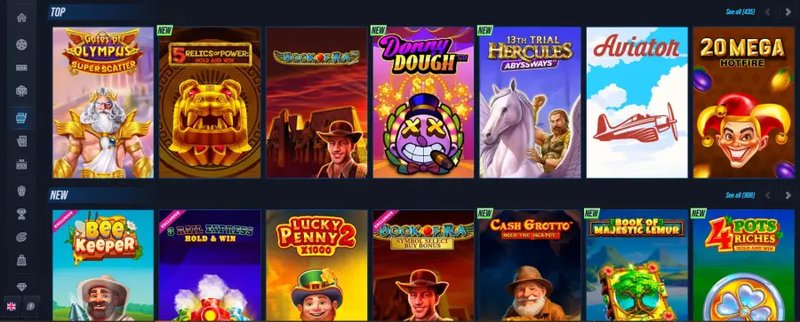
As mobile gaming becomes a staple of everyday life, it’s no surprise that the lines between entertainment and other sectors are blurring. For those who want to test their luck while watching the latest sports scores, you might find that the same app that tracks your fitness also hosts a quick casino-style game. If you’re curious about how the thrill of a virtual slot machine can coexist with a real‑time sports commentary, you can enjoy Vegashero online and see how the two worlds intersect.
Conclusion: A new, portable pastime
Mobile gaming is no longer just a pastime for the bored or the tech‑savvy. It’s a catalyst that’s reshaping social interactions, education, local commerce, and even how we consume media. By 2025, industry analysts predict that the average UK household will spend at least 3.5 hours a week on mobile games, a figure that will continue to climb as developers integrate more social and economic features into their apps. The takeaway? Whether you’re a student, a bar‑owner, or a parent, the next time you pick up your phone, you’re stepping into a larger, interconnected entertainment ecosystem.