

Just last month I watched a friend download a new game on his phone that instantly hit a peak download speed of 5 Gbps on a 5G network. The game’s launch was so seamless that the first 30 seconds felt like a live demo, not a download. That’s the reality for UK players now: high‑speed mobile internet is the backbone of a gaming experience that feels almost console‑like.
Hardware that keeps pace
Phones with 8‑core processors and 12 GB of RAM are no longer a niche; they’re the standard for the average UK gamer. The new Snapdragon 8 Gen 3, released in early 2025, can render 60 frames per second on a 6.5‑inch screen at 1440p resolution. That means you can play the latest action titles without lag, even on a crowded Wi‑Fi network. The downside? Battery life dips to around 2.5 hours under heavy use, so you’ll need a power bank for a full day of play.
Games that feel at home on a phone
Developers are now building games with a “mobile‑first” mindset. Titles like Skyward Saga and Rogue Runner 3D use adaptive graphics that switch between 1080p and 720p depending on the device’s CPU load. Players in the UK report that the controls are smoother on devices with gyroscope support, and the game’s UI scales perfectly from a 5‑inch to a 6.7‑inch display. The trade‑off is that some older phones—those with less than 4 GB RAM—cannot run the latest titles without a noticeable drop in frame rate.
Monetisation that works for everyone
In 2026, the most common payment method for in‑app purchases is the UK‑specific Apple Pay and Google Pay integration. This means you can top up a game wallet in under 30 seconds, and the transaction fee is capped at 1.5 %. For players who prefer cash, a handful of games now support direct debit, which takes 3–5 business days to settle. The catch? Some developers still charge a 3 % fee on top of the standard payment processor rate, which can add up on larger purchases.
If you’re looking for a quick spin of luck, you can try Spinboss for a casino twist.
The social layer that keeps us hooked
Cross‑platform multiplayer has moved from a novelty to a core feature. Games like Battlefield Mobile let you join a squad that includes friends playing on consoles or PCs, all while your phone stays in your pocket. The social chat system uses Discord’s API, so you can hop from voice chat to text in a single tap. However, the reliance on third‑party services means that if Discord experiences downtime, the entire multiplayer experience can grind to a halt.
From mobile play to the wider entertainment scene
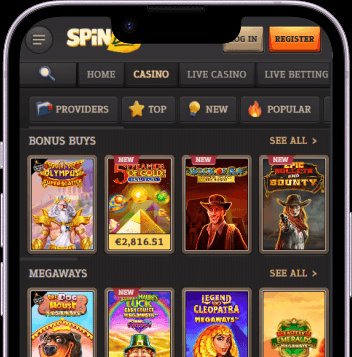
When you finish a session on your phone, many players naturally shift to other online entertainment options. For instance, I recently stumbled across a site called Spinboss, which offers a range of casual games that can be played straight from a browser. It’s a neat way to unwind after a long gaming session, and the interface feels just as polished as the mobile apps I love.
What to watch for in the next year
Looking ahead, 5G rollout is set to reach 80 % coverage across the UK by mid‑2027. That will unlock even higher frame rates and lower latency for competitive titles. Expect more games to adopt cloud gaming services like Google Stadia and Xbox Cloud, allowing you to play the same title on a phone, tablet, or laptop without any local installation. The price point for these services will likely stay around £4.99 per month, a modest increase from the current £3.99.
Bottom line
Mobile gaming in 2026 is no longer a side hobby; it’s the primary way UK players experience interactive entertainment. Fast hardware, adaptive graphics, low‑cost payments, and seamless cross‑platform play combine to create a fluid, immersive experience. The only real hiccup is battery life and the occasional dependency on third‑party services, but for most players, the benefits far outweigh the drawbacks. If you’re ready to dive in, your phone is already the gateway to the next big trend.
Frequently Asked Questions
How fast are 5G downloads in 2026?
Average peak speeds reach up to 5 Gbps, allowing instant game launches and near‑real‑time streaming.
What phone specs are essential for gaming?
Modern gaming phones feature 8‑core CPUs, 12 GB RAM, and high‑refresh displays for smooth, console‑like play.
Is 5G reliable for long sessions?
Yes—5G networks now offer stable, low‑latency connections that keep gameplay seamless for hours.